Are Sweets Halal Certified? What to Check

A pick-and-mix table, party bag or movie-night bundle should be packed full of fun, not question marks. So, are sweets halal certified? Sometimes, yes - but halal suitability and halal certification are not always the same thing. The quickest route to confident sweet shopping is knowing what the label tells you, what the ingredients can reveal and when to look for a clear halal claim.
For families, party planners and anyone buying treats to share, that little bit of label knowledge makes a big difference. It means more people can tuck in together, whether the occasion is a birthday, Eid gathering, school celebration, office sweet station or a Friday-night film.
Are sweets halal certified, or simply halal suitable?
A sweet may be halal certified when an independent halal certification body has assessed the product, its ingredients and, depending on the scheme, elements of the manufacturing process. Certified products usually carry a recognised halal logo or a clear statement on the pack, product page or outer case.
A product can also be halal suitable without displaying a certification logo. This may mean its ingredient list does not contain obvious non-halal ingredients, but it has not been certified by a particular halal authority. That distinction matters to shoppers who specifically require certified products and to retailers serving customers with different levels of dietary assurance.
The safest approach is simple: do not rely on the sweet’s colour, flavour or type. Strawberry pencils, cola bottles, fizzy belts and gummy bears can all be made using very different recipes. Check the product information for the specific item and pack size you are buying.
Why some sweets are not halal
Many classic chewy and gummy sweets get their bounce from gelatine. Gelatine is an animal-derived ingredient, and whether it is halal depends on its source and how it has been prepared. If the gelatine source is not stated as halal, it may not meet halal requirements.
That is why a sweet that looks harmless can be unsuitable. Gelatine may appear in gummies, foam sweets, marshmallow-style products and jelly-filled treats. It is not limited to one colour, flavour or supermarket aisle.
Alcohol can be another consideration. It may be used as a flavour carrier or appear in certain fillings and flavourings, even where the finished sweet does not taste alcoholic. Some products may use colourings, glazing agents or processing aids that halal shoppers prefer to verify too.
This does not mean every sweet needs a detective-level investigation. It means ingredients matter more than assumptions. A clearly labelled halal range takes the guesswork out of building a sharing bowl that everyone can enjoy.
What to look for on sweet packaging
Start with the clearest information first: a halal logo or a direct halal statement from the brand. If you are shopping online, look at the individual product description rather than assuming every item in a mixed category has the same credentials.
Then read the ingredients list. If a gummy or foam sweet contains gelatine, find out whether the product is explicitly halal. If it does not contain gelatine, that can be encouraging, but it does not automatically make the product halal certified. Certification and ingredient suitability are related, but they are not interchangeable.
For a quick shopping check, keep these four points in mind:
- Look for a halal certification mark or a clear halal statement.
- Check whether gelatine is listed, especially in gummies, foam and marshmallow-style sweets.
- Review flavourings and fillings if you need to avoid alcohol-derived ingredients.
- Check the individual product, not just the brand or category banner.
Halal, vegan and vegetarian are different labels
This is where sweet shopping can get muddled. Vegan sweets contain no animal-derived ingredients, so they do not contain gelatine. Many use plant-based setting agents such as pectin or starch instead. That can make them a brilliant option for mixed groups, but vegan does not automatically mean halal certified.
Vegetarian sweets also avoid gelatine, but they may contain ingredients such as dairy or eggs. Again, vegetarian status alone does not confirm halal certification.
Halal sweets are made to meet halal requirements. Some are vegan, some are vegetarian and some may contain halal gelatine. The exact answer depends on the product. If you are planning for a group with several dietary needs, selecting products with clear individual labels is the easiest way to keep the treats inclusive without turning the sweet table into a puzzle.
Choosing sweets for parties and sharing
When sweets are being passed around, clarity is just as valuable as variety. A large mixed bowl looks fantastic, but it can be difficult for guests to identify what is inside once wrappers and labels have gone. For birthdays, school events, community gatherings and workplace treats, keep the original packaging nearby or make a small ingredients card for each sweet type.
Pre-packed single varieties are often easier to manage than loose mixes if you need to meet a specific dietary requirement. They make it simpler to check the label, reduce cross-mixing and help guests choose with confidence. They are also handy for party bags, favours and sweet stations where people may be serving themselves.
For a bigger spread, choose a few different formats rather than dozens of unknown sweets. A colourful mix of gummies, laces, fizzy favourites and foam treats gives plenty of choice while making product information easier to keep track of. It is better to have a smaller, clearly labelled selection that everyone can enjoy than an overflowing table full of uncertainty.
A note for retailers, cafés and event businesses
For trade buyers, halal information is not a small detail on a listing. It can shape what customers feel comfortable buying, particularly in neighbourhood shops, sweet stores, cafés, party businesses and event venues. Clear product labelling helps staff answer questions quickly and gives shoppers a reason to return.
Keep case labels and product specifications available for your team, especially when decanting 2kg bags into display tubs or creating mixed sweet cups. If you use scoops and jars, avoid mixing products unless you can clearly communicate the ingredients and dietary status of each one. A bright display is brilliant, but trustworthy information is what turns a one-off treat into repeat custom.
Stocking a recognisable halal range can also make seasonal merchandising more welcoming. From Halloween tubs to festive party tables and Eid gifting, customers want colourful choices that suit the people they are buying for. The best displays make that choice feel easy.
A sweeter way to shop with confidence
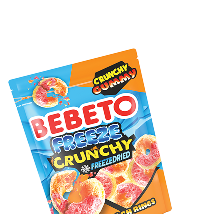
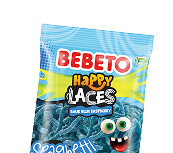
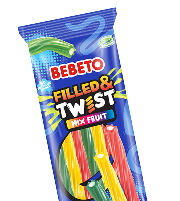
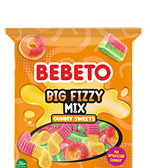
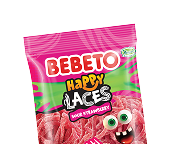
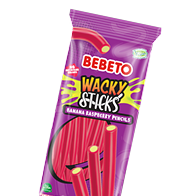
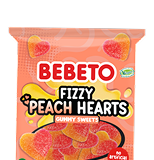
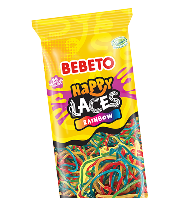
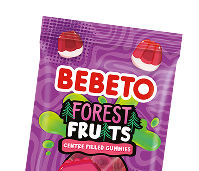
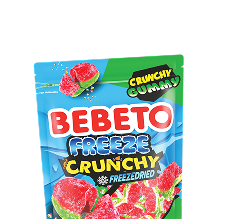
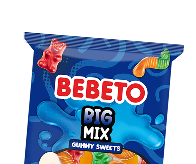
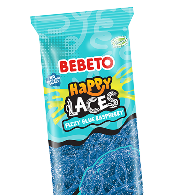
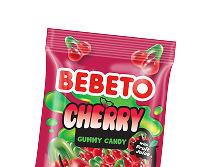
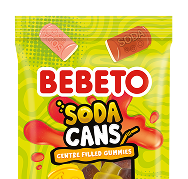
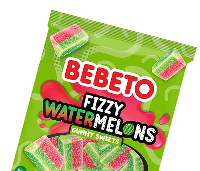
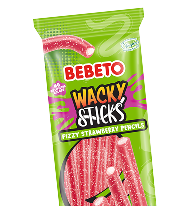
At Bebeto, every sweet is halal, so choosing gummies, laces, foam favourites, centre-filled treats or fizzy fun does not have to mean sorting through every option to find something suitable. There is also a defined vegan range for shoppers looking for plant-based picks, plus plenty of colourful choices made with real fruit juices rather than artificial flavours.
Still, good sweet shopping always comes back to the individual product and the needs of the people sharing it. If certification is essential for you, look for the relevant product information and choose only items that meet your own requirements. If you are buying for a mixed group, clear labels and a little planning can make the whole spread feel more welcoming.
The best kind of sweet table is the one where everyone can choose a favourite, fill a bag and get stuck in without having to ask twice.