A Practical Guide to Vegan Sweet Ingredients

A bright bag of gummies can look vegan-friendly at first glance, but the ingredient list tells the real story. This guide to vegan sweet ingredients makes it easier to choose sweets for movie nights, party tables and everyday sharing without the guesswork - while keeping plenty of flavour, fizz and fun in the mix.
Vegan sweets are simply made without animal-derived ingredients. That means no gelatine, dairy, egg, honey, beeswax or shellac. But sweets are wonderfully varied, and a strawberry-shaped gummy, fizzy lace or fruit chew can each get its texture, shine and colour in different ways. The quickest route to a confident choice is to look for a clear vegan label, then understand the ingredients that tend to appear most often.
Start with the ingredients that give sweets their bite
The texture is usually the biggest clue. Traditional gummy sweets often use gelatine, which is made from animal collagen. It creates that familiar springy, chewy bite, but it is not suitable for vegans. Gelatine may be listed plainly on the pack, so it is one of the simplest ingredients to spot.
Vegan gummies use plant-based alternatives to create their wobble, chew or soft finish. Pectin is a popular choice, especially in fruit-forward sweets. It comes from fruit and can give gummies a satisfying, tender bite. Starch, often maize or potato starch, can add body and help create soft foams, jelly shapes and chewy pieces.
Agar and carrageenan are also plant-based setting agents derived from seaweed. You may see them in jelly-style sweets, while gum arabic can help with chewiness and coating. Each ingredient behaves differently, which is why vegan sweets are not all identical. Some are soft and juicy, others have a firmer chew, and some are deliciously foamy.
That variety is a good thing. If one vegan gummy is not quite your favourite texture, try another format before writing off the whole category. Fizzy belts, laces, fruit jellies, foam sweets and centre-filled treats all bring something different to the sweet table.
A guide to vegan sweet ingredients to watch for
A vegan claim on the front of the pack is the clearest sign, but ingredient awareness is still handy when you are comparing products or buying sweets for a mixed group. These are the names worth knowing.
Gelatine
Gelatine is the big one for gummy fans. It is animal-derived and not vegan. Vegan alternatives such as pectin, starch and agar are what make dedicated vegan jelly sweets possible.
Milk and milk derivatives
Creamy sweets, chocolate-coated products, fudges and some foam sweets may contain milk. Look out for milk powder, whey, lactose, butter and casein. A product may be free from gelatine but still not be vegan if it contains dairy.
Egg
Egg white and other egg ingredients can appear in nougat, meringue-style sweets, marshmallow products and some foams. Again, this is usually clearly stated in the ingredients and allergen information.
Honey, beeswax and shellac
Honey is sometimes used for sweetness or flavour. Beeswax may be used as a glazing agent, while shellac is a resin that can give sweets a shiny outer finish. Both are animal-derived, so they do not belong in vegan confectionery.
Carmine
Carmine, sometimes listed as cochineal or E120, is a red colouring made from insects. It can be found in some pink, red or berry-coloured sweets. Plenty of colourful vegan alternatives exist, but carmine is one to avoid if you are choosing vegan treats.
What makes vegan sweets colourful and fruity?
A vegan sweet can still be packed with colour, tang and a proper fruity hit. Plant-based sweets often use fruit and vegetable concentrates, such as black carrot, beetroot, spirulina, paprika or pumpkin, for colour. These can create everything from sunny yellow and vivid orange to berry red and deep purple.
Flavour is a separate question from colour. Fruit juices, fruit purées and natural flavourings can add a recognisable fruity character, while acids deliver that mouth-watering sharpness found in fizzy sweets. Citric acid and malic acid are common examples. They are often responsible for the zing that makes sour cherries, rainbow belts and fizzy bottles so moreish.
Natural flavouring does not automatically mean a sweet is vegan, because flavourings can be complex. That is why the finished product's vegan label matters more than judging one ingredient in isolation. A clearly marked vegan range removes uncertainty and makes sharing much easier.
Sugar, syrups and sweeteners: what to know
Sugar, glucose syrup, invert sugar syrup and fruit juice concentrates are widely used in confectionery. They provide sweetness, structure and, in some cases, that glossy soft chew. Most of the time, the key vegan question is not the sugar itself but the overall recipe and whether the product is explicitly sold as vegan.
You may also see sweeteners in reduced-sugar products. These can include maltitol, sorbitol, isomalt or stevia. Many are suitable for vegans, but they can change the texture and taste. Sugar-free or reduced-sugar sweets may have a cooler sensation, a firmer bite or a different level of sweetness. Some sweeteners can have a laxative effect when eaten in excess, so it is worth checking the pack guidance before filling a party bowl.
Vegan and HFSS compliant are not the same thing. A sweet can be vegan without being HFSS compliant, and an HFSS compliant sweet is not automatically vegan. They answer different questions: one is about ingredients and suitability for a vegan diet, the other relates to nutritional criteria. For a quick shopping decision, check both labels if both matter to you.
Do not confuse vegan with other dietary labels
Vegan, halal, vegetarian and dairy-free can overlap, but they do not mean exactly the same thing. A halal sweet may contain gelatine, depending on its source and certification, so halal does not automatically mean vegan. A dairy-free sweet could still contain gelatine or beeswax. Vegetarian sweets exclude animal gelatine but may include milk, egg or honey.
For families, workplaces and party hosts, clear labelling takes the pressure off. Put vegan options in a separate bowl, keep the original packaging nearby for allergens, and choose a good mix of formats so nobody feels like they have been handed the boring alternative. A colourful selection of fizzy sweets, fruity gummies and soft foams looks generous and gives guests real choice.
How to shop vegan sweets with confidence
First, look for a prominent vegan label on the product page or pack. This is much quicker than trying to decode every E number or ingredient name from memory. Then check the ingredient and allergen information, especially if you are buying for someone with an allergy as well as a dietary preference.
Next, think about the occasion. For children's parties, individually portioned or easy-to-share sweets keep things simple. For a movie night, mix soft gummies with sour, fizzy options for a bit of contrast. For wedding favours, event tables or office sweet stations, choose visually different shapes and colours so the vegan selection feels just as exciting as the rest.
If you are stocking a shop or planning a larger event, consistency matters. Choose clearly labelled lines, keep product information available for customers, and check pack sizes before ordering. A 2kg bag has a very different job to a ready-made family bundle, even when the sweets inside are equally fun.
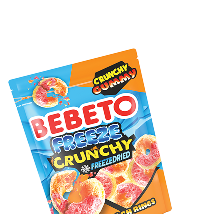
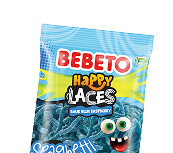
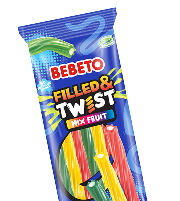
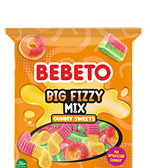
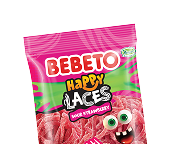
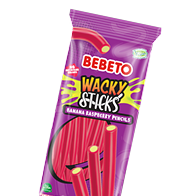
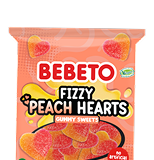
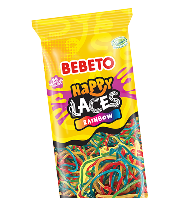
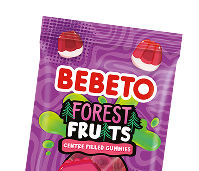
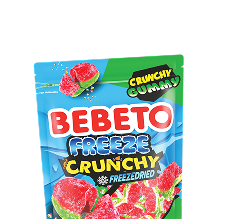
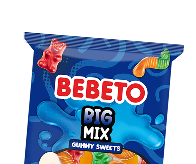
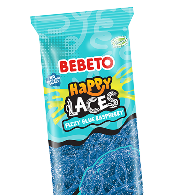
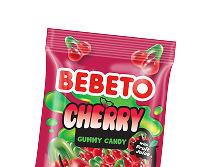
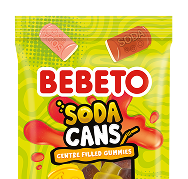
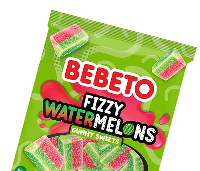
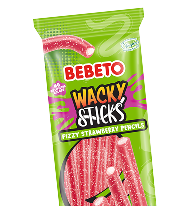
At Bebeto, the dedicated vegan range makes it easier to bring plant-based choices into bundles, party assortments and big sharing moments. The best vegan sweets should never feel like a compromise: they should be juicy, chewy, fizzy, colourful and ready to disappear from the bowl. Start with a clear vegan label, pick the textures your crowd loves, and let everyone join in on the sweet fun.