Do Gummies Contain Gelatine? Your Sweet Guide

That first handful from a colourful sharing bag can raise a surprisingly big question: do gummies contain gelatine? Some do, some do not, and the difference matters when you are choosing sweets for vegan guests, halal celebrations, school parties or a family movie night. The quickest answer is always on the pack - but knowing what to look for makes picking the right treats much easier.
Do gummies contain gelatine?
Many traditional gummy sweets contain gelatine because it gives them that familiar springy, chewy bite. Gelatine is a gelling ingredient made from animal collagen, so it is not suitable for vegetarians or vegans. It can be used in everything from gummy bears and fruity shapes to jelly sweets, depending on the recipe.
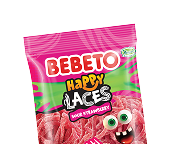
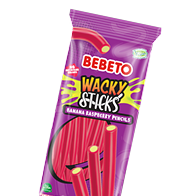
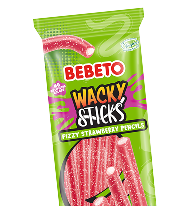
But gelatine is not the only way to make a gummy sweet bounce. Plenty of gummies are made without it, using plant-based gelling ingredients instead. That is why two sweets that look almost identical - perhaps two bright strawberry pencils or fruity jelly shapes - can have very different ingredient lists.
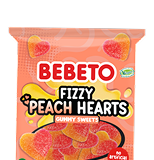
For anyone buying for a group, it is worth avoiding assumptions based on colour, shape or the word “gummy”. A cute fizzy fruit mix might be vegan, while a similar-looking sweet may contain gelatine. The label tells the real story.
Why gelatine is used in gummy sweets
Texture is a big part of the fun. A great gummy should be soft enough to enjoy, chewy enough to last more than a second, and firm enough to hold its shape in the bag. Gelatine can help create that classic elastic chew and a clear, glossy finish.
It also behaves differently from plant-based alternatives. Gelatine-based gummies often feel more bouncy and melt differently as you eat them. Plant-based gummies can be softer, cleaner-cut or slightly more jelly-like. Neither is automatically better - it comes down to the recipe and the texture you enjoy.
That distinction is useful when building a party table or sweet station. If you love a proper chewy gummy assortment, look for the texture and ingredient details that suit your guests. If dietary inclusion is the priority, choose clearly labelled vegan products so everyone can tuck in without the awkward ingredient chat halfway through the party.
What is used instead of gelatine?
Gelatine-free gummies need another ingredient to create their set. The most common alternatives come from plants, fruit or seaweed. You may see pectin, starch, agar or carrageenan listed on a pack.
Pectin is naturally found in fruit and is often used in fruit jellies and softer gummies. It can give sweets a lovely tender bite, particularly in recipes with fruity flavours. Starch can create a more satisfying chew, while agar and carrageenan are seaweed-derived ingredients used to help sweets hold their shape.
Each option affects the final sweet differently. A vegan gummy made with pectin may not feel exactly like a gelatine gummy, but that is not a compromise by default. It is simply a different kind of delicious. With juicy flavours, fizzy coatings and playful shapes, gelatine-free sweets can still bring plenty of colour and fun to the table.
Is gelatine halal?
Whether gelatine is halal depends on its source and how it has been produced. Gelatine can come from different animals, so a product should not be treated as halal just because it contains gelatine - or as non-halal purely because it does. Clear halal labelling is what gives shoppers confidence.
There is another key point: halal and vegan are not the same thing. A halal gummy may contain animal-derived gelatine and therefore not be vegan. A vegan gummy contains no animal-derived ingredients, but shoppers looking for halal assurance should still check the relevant product information.
Bebeto’s sweets are halal across the range, while a dedicated vegan range makes plant-based shopping straightforward too. For mixed gatherings, that gives you an easy route to a bright, generous selection without leaving anyone on the sidelines.
How to check whether gummies have gelatine
The ingredient list is your best friend, especially when you are buying a large bundle, choosing party bags or stocking up for the office. Packaging can change, and recipes can vary between products, even within the same sweet category.
Start by looking for the word “gelatine” in the ingredients. If it appears, the sweet is not vegetarian or vegan. If it does not appear, look for a clear vegan label if you need a fully plant-based choice. This is more reliable than trying to work it out from a product photo or assuming that fruit-flavoured sweets must be vegan.
Also check the full label if you are buying for someone with allergies or other dietary requirements. Gelatine is not one of the UK’s 14 declarable allergens, but every product is different and ingredients should always be checked carefully. For party planning, keep the packaging available until everyone has had a chance to read it.
Choosing gummies for a mixed group
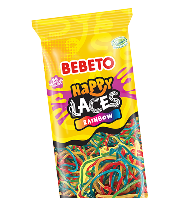
The easiest way to keep a sweet spread inclusive is to plan around who will be sharing it. A family film night might call for a big mix of gummies, laces, foam sweets and fizzy favourites. A children’s birthday needs individually suitable party bag picks. A workplace treat table may need options that colleagues can enjoy with confidence.
If there are vegan guests, choose clearly marked vegan sweets rather than hoping a standard gummy is gelatine-free. If halal is required, select sweets with clear halal assurance. If you are catering for several needs at once, a labelled selection works brilliantly: keep vegan choices together, use the original packs as a reference, and let everyone know what is available.
This matters even more with ready-made assortments. Bundles are packed full of variety, which is brilliant for sharing, but individual products can have different ingredients. Check the product details for every item included, particularly if the bundle contains a mix of gummies, foam sweets and liquid-filled treats.
Does gelatine change the flavour?
Usually, gelatine is more about texture than flavour. The big flavour hit comes from ingredients such as fruit juice, acids, sugar coatings and natural or added flavourings. That is why a juicy apple gummy or a sour strawberry sweet can taste exciting whether it is gelatine-based or vegan.
The texture can influence the experience, though. A firmer chew can make a flavour feel slower and longer-lasting. A softer pectin jelly can release its fruity taste more quickly. Fizzy sugar adds another layer altogether, giving that sharp, tongue-tingling finish before the gummy centre takes over.
For sweet lovers, the best approach is delightfully simple: read the label for the ingredients you need, then choose the flavours and formats that make your occasion more fun. There is room for chewy classics, plant-based picks, sour treats and colourful favourites in the same sweet cupboard.
A quick label-check before you share
When a packet lands in the basket, take a moment to check three things: whether gelatine is in the ingredient list, whether the product is labelled vegan if needed, and whether it carries the halal information relevant to your guests. It takes seconds, but it can save someone from missing out.
Gummies are made for passing round, piling into party bags and enjoying one more handful during the film. Choose the ones that fit your crowd, keep the labels close by, and let the sweet sharing begin.