Halal Labels Guide for Buying Sweets with Confidence

A bright bag of gummies should make choosing treats easy, especially when it is heading to a family film night, a birthday table or the office sweet station. This halal labels guide helps you read sweet packaging with confidence, so every guest can tuck in and enjoy the fun.
For many shoppers, halal is not an optional extra. It is a practical part of buying for a household, party or community event. A clear label can save time at the shelf and avoid awkward guesswork once the bowl is already on the table.
What does a halal label mean on sweets?
Halal means permissible under Islamic dietary requirements. On confectionery, a halal label generally tells you that a product has been made in line with those requirements, including attention to ingredients and how they are handled during production.
The detail matters because sweets can contain more than fruit flavour and fizz. Gelatine, flavourings, colours, glazes and fillings may all need consideration. A product marked halal gives shoppers a quick, useful signal, but the label is strongest when it is easy to identify and supported by clear pack information.
For busy parents, hosts and retailers, that clarity turns a big sweet selection into an easy yes. You can choose colourful gummies, foam sweets, fizzy favourites and share bags without having to inspect every ingredient from scratch.
How to read halal labels on sweet packs
Start with the front of the pack. Brands may use a halal logo, the word “halal”, or both. A recognised certification mark is often the clearest sign that a product has been assessed against a halal standard. The logo may look different depending on the certifying body, so focus on whether it is legible and genuinely connected to the product rather than a vague marketing claim.
Then turn the pack over. The ingredients list is still worth reading, particularly if you are buying for someone with allergies, other dietary needs or a personal preference around particular ingredients. Halal and allergen-free do not mean the same thing, and halal does not automatically mean vegan, vegetarian, sugar-free or HFSS compliant.
Check the product name and variant too. One range can include different recipes: a standard gummy, a liquid-filled version and a fizzy edition may not always have identical ingredients or credentials. If the exact pack is important, trust the information on that exact pack rather than assuming every sweet in the same shape or flavour family is the same.
Certification marks versus halal claims
A halal certification mark usually indicates that an independent organisation has assessed the product or manufacturing process against its own halal requirements. This can give an extra level of reassurance, especially when stocking sweets for a large event, a school celebration or a retail display.
Some products may state they are halal without displaying a certification logo. That does not automatically make the claim unreliable, but it is sensible to look for clear, consistent labelling and product information. If you need certification from a particular body, check the specific mark rather than relying on the word halal alone.
There is no single rule that makes one logo the only valid choice for every shopper. Families, communities and businesses may follow different guidance or have preferred certifiers. When the requirement is specific, it is always best to check before you buy in bulk.
Ingredients worth knowing in halal confectionery
Gelatine is the ingredient many sweet shoppers look for first. It gives some gummies and marshmallow-style foam sweets their familiar chew and bounce. Its suitability depends on its source and how it has been prepared, which is why a halal label is so useful on gelatine-containing products.
That said, gelatine is not the whole story. Look at flavourings, fillings and coatings too, particularly in centre-filled and liquid-filled sweets. Certain flavour extracts may use alcohol in their production, while coatings can include ingredients that deserve a closer look. A halal-certified product should account for the relevant requirements, but the ingredients panel remains helpful for shoppers who want the full picture.
Vegan sweets are often gelatine-free, usually using plant-based gelling agents instead. But vegan is not automatically a substitute for halal certification. The two labels answer different questions, and a product can be vegan, halal, both or neither. Treat each credential as its own clear signpost.
The same goes for “made with real fruit juice” and “no artificial flavours”. They are great product details for ingredient-conscious sweet fans, but they do not confirm halal status on their own. Read the labels as a set, not as a shortcut.
Buying halal sweets for groups
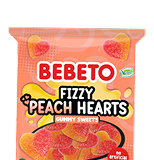
A mixed crowd is where visible labelling really earns its place. At a children’s party, wedding favour table, workplace treat day or movie night, people should not have to ask who can eat what before they reach for a fizzy belt or a peach gummy.
Choose sealed packs with the halal information displayed clearly, then keep the original packaging nearby when you serve them. This is especially handy for larger sharing bowls or sweet carts, where loose sweets quickly lose their ingredient and dietary details.
For big occasions, it helps to organise your treats by category. Keep halal gummies together, separate vegan choices if you are offering them, and make allergen information available for anyone who needs it. It is a small bit of planning that makes a generous spread feel welcoming to more people.
Retailers can take the same approach on shelf. Put dietary labels where customers can see them quickly, keep product descriptions accurate, and avoid grouping items together in a way that creates confusion. A clear “halal” filter or shelf ticket can help shoppers build a basket faster, while precise pack-level information protects trust.
A halal labels guide for wholesale buyers
If you buy sweets by the case, the decision is bigger than choosing one bag for the sofa. You may be supplying a convenience shop, a sweet stall, a café counter, party business or seasonal event. Your customers need straightforward answers, and clear halal credentials are part of good stock management.
Ask for current product specifications before placing a larger order, especially when buying a new line or seasonal range. Recipes, packaging and case formats can change, so an old product photo or previous listing should not be your only check. Confirm the current product name, pack size, halal status and any certification detail required by your customer base.
It is also sensible to think about your range as a whole. A wide halal selection can work brilliantly alongside vegan choices, price-marked packs, 2kg bags and giftable formats. The goal is not to label everything as the same. It is to make each product’s credentials easy to find, so shoppers can make their choice without slowing down at the till.
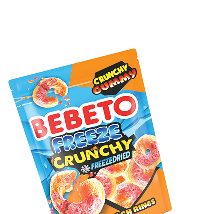
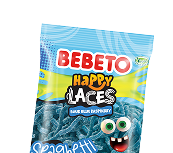
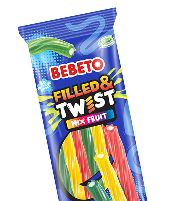
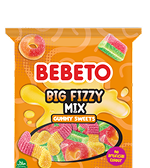
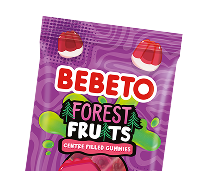
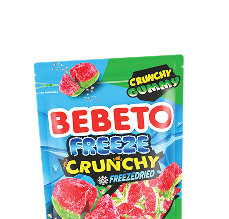
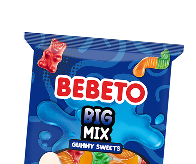
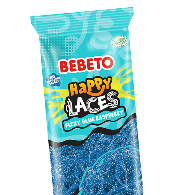
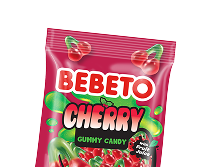
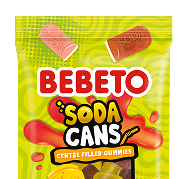
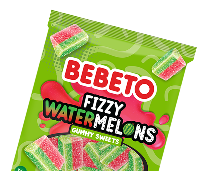
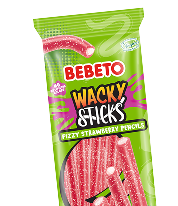
Bebeto makes this simpler by offering a full halal sweet range, alongside clearly identified vegan options for shoppers building an inclusive sweet stash.
Common label mistakes to avoid
The biggest mistake is assuming a familiar sweet is always suitable because you have bought it before. Manufacturers can update recipes and packaging, and different sizes or formats of the same product can vary. Check the pack in your hand.
Another is confusing halal with an allergen statement. A halal sweet can still contain allergens, and a vegan sweet can still be made in an environment where cross-contact information matters. Always use the allergen declaration when buying for a child, guest or customer with allergies.
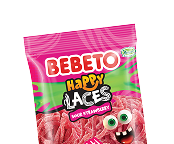
Finally, do not rely on colour, flavour or shape. Strawberry laces, gummy bears and fizzy bottles can look wonderfully simple, but appearances do not tell you what is in the recipe. The label does.
Make the sweet table easy for everyone
The best halal label is one that lets people spend less time decoding packaging and more time choosing their favourites. Look for clear halal information, check the specific product when the detail matters, and keep packs visible when serving a group.
Then fill the bowl with the good stuff: chewy, fruity, fizzy, foam-tastic sweets that bring everyone into the fun.