A Retailer Guide to Confectionery Margins

A busy sweet fixture can look brilliant and still leave money on the counter. This retailer guide to confectionery margins is for independent shops, convenience stores and sweet businesses that want every gummy, fizzy bag and seasonal pack to earn its space. The goal is not simply to chase the highest percentage margin. It is to build a colourful range that sells quickly, meets shoppers' needs and keeps cash flowing back into your business.
Start with the margin, not the shelf price
Confectionery is often a fast-moving category, but its margins vary widely by format, pack size and selling channel. A £1 price-marked pack may deliver dependable volume and instant value recognition, while a larger sharing bag can bring more cash profit per sale. Neither is automatically the better choice.
Gross margin is the percentage of a product's selling price left after the cost of buying that product. The basic calculation is:
Gross margin percentage = (selling price excluding VAT - cost price excluding VAT) ÷ selling price excluding VAT × 100
Say a bag costs £1.20 excluding VAT and sells for £2.50 excluding VAT. The gross profit is £1.30, giving a 52% gross margin. That £1.30 still needs to contribute towards rent, card fees, wages, waste, delivery costs and everything else involved in keeping the doors open.
Markup is different. It measures profit against your cost, rather than against the selling price. Mixing the two up is one of the quickest ways to set prices that feel profitable but are not. Keep your buying records and selling prices consistent, and always check whether figures include or exclude VAT before comparing lines.
Margin percentage is only half the story
A 60% margin product that sells twice a month is rarely more useful than a 40% margin product that sells every day. Look at gross profit pounds as well as the percentage, then consider rate of sale. A product earning 50p profit on 80 weekly sales delivers more to the till than a £2 profit product that sells five times.
This matters especially in confectionery, where shoppers often make quick decisions. Recognisable packs, clear prices and a strong mix of formats can move stock faster than a shelf packed with slow, premium-only choices.
Build a confectionery range with clear jobs
The best ranges do not ask every product to do the same job. Give each format a role, then judge its margin against that role.
Price-marked packs are useful for value-led convenience purchases. They remove price uncertainty, make promotions easy to spot and can encourage repeat buying. Their fixed retail price can limit flexibility, so the buying price and rate of sale need to work hard.
Small bags and impulse formats belong close to the till or in high-footfall areas. Their individual cash profit may be modest, but they can add plenty of high-frequency sales. Keep the display tidy, visible and replenished. An empty hook cannot earn a margin.
Sharing bags, multipacks and 2kg bags serve a different shopper. Families, party planners, workplaces and event buyers often want convenience and quantity, not a single treat. These products can raise basket value, especially when displayed with a clear message such as party favourites, movie-night treats or office sweet station stock.
Seasonal lines create excitement and can command stronger retail prices when timed properly. Halloween, Christmas, Eid celebrations, Valentine's gifting and back-to-school occasions all bring opportunities. The trade-off is obvious: buy too deeply and your margin can disappear into markdowns after the event.
Inclusive product choices are commercial choices too. Halal confectionery gives more shoppers confidence to buy from the main range, while clearly signposted vegan options create an easy route for customers with specific requirements. Products made with real fruit juices and selected HFSS compliant lines can also widen the occasions in which shoppers feel comfortable picking up a treat. Clear labels reduce hesitation, which supports conversion.
Price for the customer in front of you
Your local market should shape your pricing. A town-centre convenience shop, a destination sweet shop and a family-focused retailer may all stock the same fizzy favourites, but their customers have different expectations.
Start by checking the shelf price customers see elsewhere nearby. You do not need to be the cheapest on every line. You do need to be credible. If a familiar product is noticeably higher than local alternatives, give shoppers a reason through availability, presentation, bundle value or convenience. If it is sharply cheaper, make sure you have not forgotten VAT, card charges or a recent supplier price change.
Use a small number of simple price points where possible. Shoppers can scan a fixture faster when they understand the value structure: individual treats at one level, sharing bags at another, and larger bags for parties or stocking up. Too many awkward prices can slow the decision down.
Bundles can help protect margin without relying on constant discounting. Pair complementary products around an occasion: gummy favourites and laces for a children's party, fizzy sweets and foam treats for a movie night, or colourful bags for event favours. The bundle must still feel generous. A good deal should increase the customer's perceived value and your average transaction, not train people to wait for reductions.
Control the costs that quietly eat profit
Supplier cost is only the first number. Delivery charges, minimum order values, damaged stock, shrinkage and promotional activity all affect the real margin. Create a simple landed-cost figure for every key line, particularly for products ordered in smaller quantities or brought in for a short seasonal window.
Keep an eye on the free delivery threshold offered by your supplier. Ordering just below it can make a profitable case unexpectedly expensive. Equally, do not buy extra cases simply to qualify for delivery if the stock will sit for months. Free delivery is only a saving when the additional goods will sell in a sensible time frame.
Date management deserves the same attention as price. Rotate stock on delivery, putting the shortest-dated products at the front. Check best-before dates during routine merchandising, especially on seasonal lines and large bags. Confectionery generally has a useful shelf life, but a forgotten case in the stockroom is not a future profit opportunity.
Shrinkage can be a bigger issue with small, highly visible treats. Keep premium or easily pocketed lines where staff can see them, use sensible fixture layouts and investigate unexplained gaps. The answer is not to make the display joyless. It is to make it easier to shop and easier to maintain.
Track performance by SKU, not by guesswork
A colourful display makes it tempting to reorder what looks popular. Sales data gives you the real answer. Review each stock keeping unit regularly and record units sold, sales value, gross profit pounds, margin percentage, current stock and remaining shelf life.
Look for three groups. Your winners sell steadily and deserve reliable availability. Your seasonal stars may sell brilliantly for a short period and need a planned exit date. Your slow movers may still have a place if they serve a dietary need or complete a key range, but they should not take over valuable shelf space.
Do not delist a product after one quiet week. Weather, school holidays, local events and pay cycles can all change confectionery sales. A four-to-eight-week view is usually more useful for everyday lines, while seasonal products need closer, faster checks.
When a line underperforms, try a practical fix before cutting it. Move it to a stronger location, improve the ticketing, place it beside a complementary product or reduce the number of facings. If it still does not earn its keep, use the space for a better performer.
Use promotions without giving away the margin
A promotion should have a job. It might bring shoppers into store, shift seasonal stock, encourage trial of a new line or increase spend per visit. A random price cut simply lowers the amount you make on something customers may have bought anyway.
Plan the numbers before the promotion goes live. Calculate the new gross profit per item, the margin percentage and how many extra units you need to sell to match the profit from full-price sales. This is particularly valuable for multibuy offers. “Two for” deals can work well when they encourage a second purchase, but they can also reduce profit if shoppers would naturally have bought two.
Use promotions to spotlight an occasion or a clear category. A bright party display, a back-to-school pick-and-mix moment or a Halloween fixture gives the offer context. Keep the message simple and the stock level ready. Nothing spoils a successful promotion faster than running out on day two.
A retailer guide to confectionery margins that stays practical
Your margin plan should be reviewed whenever supplier prices, retail prices or pack formats change. Even a small cost increase can make a big difference across a high-volume line. Update your calculations promptly rather than hoping the extra cost will disappear in the next order.
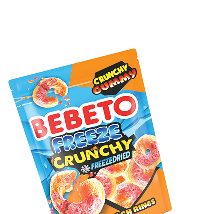
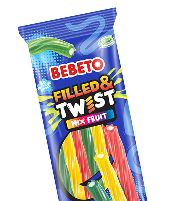
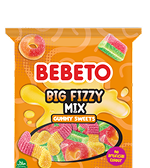
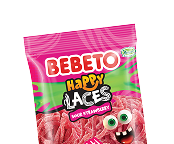
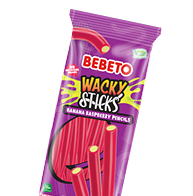
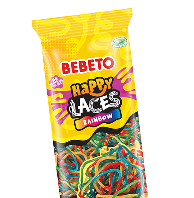
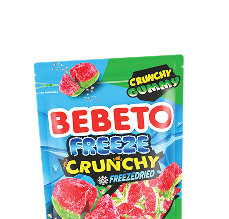
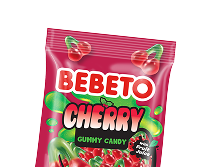
Trade buyers also benefit from working with suppliers that offer a useful spread of case quantities, price-marked packs, multipacks, larger bags and seasonal products. Bebeto's broad halal range, dedicated vegan options and retail-ready formats can help retailers build a fixture with something for more shoppers, without making buying needlessly complicated.
The strongest confectionery category feels full of fun for the customer and full of purpose for the retailer. Keep your best sellers in stock, make value easy to see, buy seasonal lines with a plan and let every shelf earn its place. That is how a sweet display becomes a reliably profitable one.