Do Sweets Contain Artificial Flavouring? The Facts

A bag of bright, fruity gummies can taste like strawberries, watermelon or cola, but that flavour does not automatically tell you what is in it. So, do sweets contain artificial flavouring? Some do, some do not, and the quickest way to find out is to look beyond the front of the pack and read the ingredients.
For families filling a party table, friends building a movie-night stash or retailers choosing lines for their shelves, ingredients matter alongside flavour, value and variety. Here is a clear guide to what flavouring means in sweets, what to look for on a label and how to choose treats that suit your crowd.
Do sweets contain artificial flavouring?
Many sweets on the market use flavourings, but flavourings are not all the same. Some manufacturers use artificial flavourings, while others use natural flavourings, fruit juice, fruit concentrates or a combination of flavour ingredients. The recipe varies by product, even within the same sweet category.
Artificial flavourings are made to create or boost a particular taste. They can give sweets a consistent, recognisable flavour, whether that is bubblegum, banana, cherry or a tangy fizzy mix. Natural flavourings are sourced from natural materials, while fruit juice and concentrates can contribute fruit character and sweetness to a recipe.
The key point is simple: a sweet that tastes fruity is not necessarily made from fruit, and a sweet containing fruit juice is not automatically free from every other flavour ingredient. The ingredients list is the best place to check the specific product in your hand.
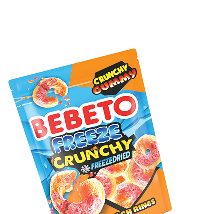
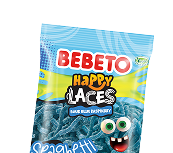
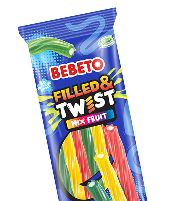
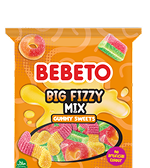
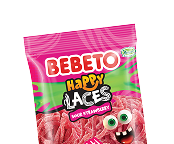
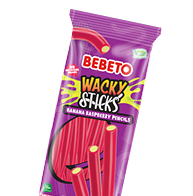
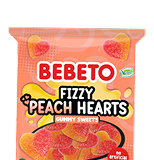
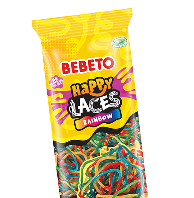
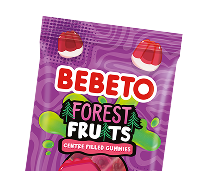
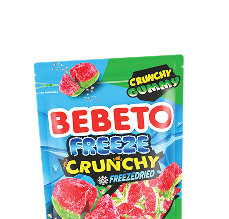
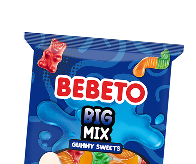
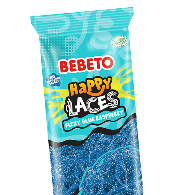
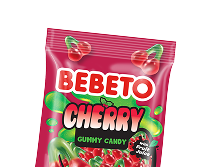
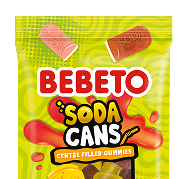
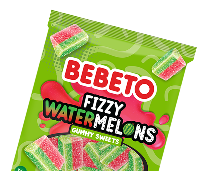
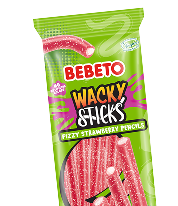
Bebeto sweets are made with real fruit juices rather than artificial flavours, giving shoppers a colourful, flavour-packed option for sharing, gifting and celebrations. As recipes and ranges can change, it is still sensible to check each product pack, especially if you are buying for a particular dietary need.
What to look for on a sweet label
The front of a pack is brilliant for spotting the fun bits: flavour, pack size, whether it is fizzy or foam, and handy claims such as halal, vegan or HFSS compliant. For flavouring details, turn the pack over.
Look at the ingredients list for words such as “flavouring”, “natural flavouring”, “fruit juice from concentrate” or the names of fruits and extracts. The wording used will reflect the recipe and the product’s labelling requirements.
If avoiding artificial flavouring is a priority, do not rely on the colour, shape or name of the sweet. A red gummy heart might taste of strawberry, raspberry or mixed berries, but its appearance cannot tell you how that taste has been created. Check the label every time, particularly when trying a new flavour, seasonal line or multipack.
“Natural” does not mean one single thing
Food language can feel confusing because “natural” is not a shortcut for every ingredient question. A naturally flavoured sweet may still contain sugar, glucose syrup, acids, colours or gelling agents. Equally, a sweet made with real fruit juice is still a confectionery treat, designed for enjoyment rather than as a replacement for fruit.
Think of each claim as one useful piece of the puzzle. If flavouring is your main concern, read the flavouring information. If you need vegan options, check for the vegan label and ingredients. If you are buying for a halal celebration, choose products clearly marked halal. A little label-checking helps everyone get the right sweet without taking the fun out of choosing.
Why do confectionery recipes use flavourings?
Sweets go through heating, mixing, drying and setting processes that can change how ingredients taste. Flavourings help deliver a reliable result from one pack to the next, which matters when you are buying a big family bag, making party favours or stocking a popular line in a shop.
They also make imaginative sweet experiences possible. Cola bottles need that familiar cola hit. Sour belts need a fruity taste that stands up to their sharp coating. Liquid-filled gummies need a bright burst when the centre pops. Flavour is part of what makes a sweet memorable.
There are trade-offs. A flavour that is especially bold may be created differently from a gentler fruit-led profile. Recipes also need to balance flavour with sweetness, acidity, texture, shelf life and cost. That is why one universal answer to whether sweets contain artificial flavouring would be misleading. Product-by-product checking is more useful than guessing by category.
Real fruit juice and flavour: how they work together
Real fruit juice can bring a recognisable fruity note to gummies, laces and other chewy treats. Depending on the recipe, it may also add natural sugars, colour and aroma. Fruit juice concentrates are often used because they are practical to include in confectionery while retaining the character of the original fruit.
That said, fruit flavours do not all behave in the same way. Citrus flavours can feel sharp and fresh, while berry flavours are softer and sweeter. Some flavours, including tropical or fantasy-inspired favourites, are more about the overall sweet experience than tasting exactly like a piece of fruit.
For shoppers, the most helpful question is not whether every sweet should taste identical to fresh fruit. It is whether the ingredients and flavour profile match what you want to serve. For a children’s birthday, you might want a crowd-pleasing mix of fruity gummies and soft foam sweets. For an office sweet station, variety may matter most. For an ingredient-conscious household, a clearly labelled no-artificial-flavours choice can make the decision easier.
Choosing sweets for different occasions
A large mixed bundle can make sharing simple, but mixed packs are also where it pays to check the details. Different sweets may have different ingredients, flavour profiles and dietary credentials. Keep the outer packaging until the sweets are finished, so the ingredient information remains handy.
When planning for a group, choose with your guests in mind. Halal sweets make it easier to include more people at the table. A dedicated vegan range gives plant-based guests proper choice rather than an afterthought. For younger children, adults should always supervise eating and select sweets appropriate for their age.
Retailers can apply the same common-sense approach. Clear product information builds trust, particularly for customers looking for halal, vegan, no-artificial-flavour or HFSS-compliant options. Displaying the right pack details and keeping labels visible helps shoppers make a quick, confident choice at the fixture.
A quick checklist before you buy
When flavouring matters, take a moment to check four things:
- Read the full ingredients list, not just the flavour name on the front.
- Look for wording that matches your preference, such as real fruit juice or no artificial flavours.
- Check dietary labels separately, including halal and vegan suitability.
- Keep in mind that recipes can change, so check again when buying a product you have not had for a while.
The sweet answer
Artificial flavouring is not a feature of every sweet, and it is not something you can confirm by looking at a gummy’s colour or shape. The packet tells the real story. Choosing sweets made with real fruit juice and without artificial flavours can be a straightforward way to bring more people into the fun - then all that is left is picking the fizzy favourites, fruity gummies and foam classics everyone will reach for first.