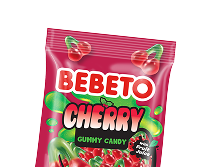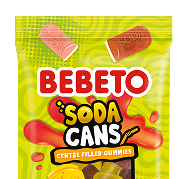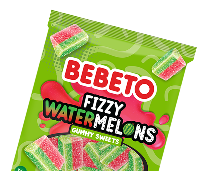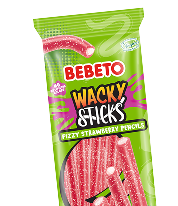
Which Sweets Suit Vegans? Your Handy Guide

A sweet bowl should not turn into a game of ingredient detective. If you are wondering which sweets suit vegans, the short answer is: more than you might think, but the label matters. Gummies, laces, fizzy favourites and foam-style treats can all have vegan versions, yet two sweets that look almost identical can be made very differently.
The easiest route is to choose products clearly labelled vegan, then pick the formats everyone loves to share. That means bright party mixes, tangy fizzy treats, chewy laces and fruity gummies can still bring plenty of colour to movie nights, birthdays and office sweet stations.
What makes a sweet vegan?
Vegan sweets contain no animal-derived ingredients. That sounds simple, but confectionery recipes can include a few hidden extras, especially in chewy, glossy or coloured products. Gelatin is the big one to look out for. It is often used to create the familiar bouncy texture in gummies and jelly sweets, but it is made from animal collagen.
Milk ingredients are another common reason a sweet is not vegan. Watch for milk powder, whey, lactose, butterfat or cream, particularly in creamy chews, chocolate-coated sweets and some centre-filled varieties. Even a tiny amount means the product is not suitable for a vegan diet.
A product can be halal without being vegan, and a product can be vegan without being halal. They are separate dietary requirements, so it is always worth looking for the specific label that suits the people enjoying the sweets. At Bebeto, the vegan range is clearly signposted to make choosing easier, while the full range is halal.
Which sweets suit vegans for a shared treat?
Fruit-forward confectionery is often a brilliant place to start. Vegan recipes use plant-based alternatives to gelatin, such as starches and pectin, to create chew and bite. The result can still be satisfyingly soft, stretchy, fizzy or fruity - exactly what a proper sweet spread needs.
Vegan gummies and jelly-style sweets
Gummies are the category people most often question, and for good reason. Traditional gummy bears and jelly shapes frequently contain gelatin. However, vegan gummies swap it for plant-based gelling ingredients, so there is no need to miss out on that classic chewy texture.
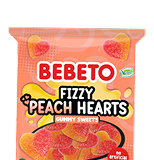
Look for clearly marked vegan fruit gummies in shapes that suit the occasion. Smaller pieces are handy for party bags and children’s celebrations, while bigger bags work brilliantly for family film nights or a colourful pick-and-mix style bowl. If several people are sharing, choose a couple of flavour profiles - perhaps juicy fruit alongside something sharper and fizzy - rather than filling the bowl with one single sweet.
Fizzy sweets and sour favourites
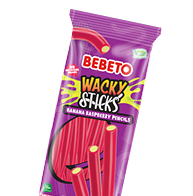
Fizzy belts, sour laces and tangy fruit sweets can be great vegan choices, but not automatically. The sour coating itself is usually based on sugar and food acids, yet the sweet underneath may contain gelatin, milk or a non-vegan glaze. A vegan claim takes the guesswork out of it.
These are especially good for grown-up gatherings, gaming sessions and movie nights because the flavour has a little more punch. Keep a plain fruity option nearby too, particularly when children or guests who are not keen on sour sweets are joining in.
Laces and chewy fruit sweets
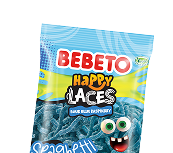
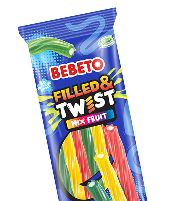
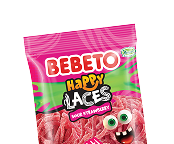
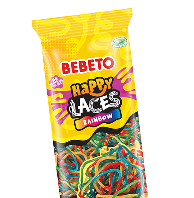
Long, twisty laces bring instant fun to any sweet table. They are easy to portion, easy to share and look brilliant in party jars. Vegan laces are a lively option for themed birthdays, rainbow-coloured displays and favour bags, as long as the packaging confirms their suitability.
Chewy fruit sweets can also suit vegans when made without gelatin or dairy. Their firmer texture makes them useful for mixing with softer gummies, giving a bundle more variety without making it feel like the same sweet repeated in different colours.
Foam sweets, with one big check
Foam bananas, mushrooms and other soft foam shapes are classic crowd-pleasers, but this is a category where checking the ingredients really counts. Many traditional foam sweets contain gelatin. Vegan foam sweets do exist, using plant-based alternatives, but do not assume every soft, squishy sweet is suitable just because it is fruit-flavoured.
When you find a vegan version, foam sweets add a softer bite to a sharing mix and make a playful contrast with firmer gummies and fizzy pieces.
Ingredients vegan sweet shoppers should check
A front-of-pack vegan label is the clearest shortcut. If it is not there, read the full ingredients list rather than relying on the product name, colour or flavour. These are the main ingredients and coatings that can make a sweet unsuitable:
- Gelatin - commonly used in gummies, jelly sweets and foam products.
- Milk, whey and lactose - often found in creamy, chocolatey or yoghurt-style sweets.
- Beeswax - sometimes used as a glazing agent to create shine.
- Shellac - a resin-based glaze that can appear in shiny coated sweets.
- Carmine or cochineal - a red colouring made from insects.
Do natural flavours mean a sweet is vegan?
Not necessarily. “Natural flavouring” tells you something about the source or production of the flavour, but it does not guarantee a vegan recipe. The same applies to fruit juice. A sweet made with real fruit juices can be wonderfully fruity, but you still need to check the whole ingredient list or vegan label for confidence.
This is why clearly merchandised dietary ranges are so useful when shopping for a group. Instead of turning every party shop into a label-reading marathon, you can select from sweets already identified as vegan and spend more time choosing flavours, colours and pack sizes.
Building a vegan sweet mix for every occasion
The best vegan sweet selection is not just about what is allowed. It is about making sure the bowl looks exciting and gives everyone a choice. For a family sharing bundle, combine fruity gummies, laces and a fizzy option. For a children’s party, choose smaller pieces that are easy to pop into cups, cones or party bags. For an office treat table, add several textures so people can grab a quick favourite without needing to hunt through the whole mix.
Colour also matters. A bright red, yellow, green and blue selection looks generous before anyone has even had a taste. If you are buying for a mixed-diet group, put vegan sweets in their own clearly labelled bowl or container. It is a small touch that helps guests choose with confidence and avoids vegan treats getting muddled with non-vegan jelly sweets.
For gifts and seasonal celebrations, check the recipe every time, even if you have bought a similar product before. Seasonal lines, limited editions and different pack formats can have different ingredients. Recipes can change too, so the pack in your hand is always the one to trust.
A quick vegan sweet shopping checklist
Before filling your basket, check that the product is labelled vegan, scan for gelatin and dairy, and make sure the flavours suit the people you are buying for. Then think about quantity. A small pouch may be perfect for a personal treat, while a larger bundle is far better value for parties, family weekends and sharing around the sofa.
If you are planning an event, buy a little more variety rather than simply more of one sweet. One juicy gummy, one sour favourite and one chewy lace option will make the spread feel packed full of fun for everyone.
A vegan sweet choice should feel like a treat, not a compromise. Pick the clearly labelled favourites, bring on the fruity flavours and let every guest find something worth reaching for twice.