Vegan Versus Gelatine Gummies: Which Are Best?

A sweet table can look brilliantly colourful and still leave someone with nothing they can eat. That is why the question of vegan versus gelatine gummies matters far beyond the ingredients list. Whether you are filling party bags, choosing a movie-night mix, stocking an office sweet station or buying for a shop shelf, the right choice comes down to who will be sharing them.
Both types can bring the fruity flavours, fizzy finishes and satisfyingly chewy bite that make gummies such a favourite. The big difference is the setting ingredient - and that changes the texture, dietary suitability and the way you shop for a crowd.
Vegan versus gelatine gummies: the key difference
Gelatine gummies are made with gelatine, an animal-derived protein that gives sweets their classic springy, elastic chew. It is a familiar ingredient in traditional gummy bears, worms, rings and many jelly sweets. When you bite into a gelatine gummy, it tends to bounce back, stretch a little and melt more slowly as you chew.
Vegan gummies use plant-based alternatives instead. These may include pectin, starches, agar or other gelling agents, depending on the recipe. Pectin, which is commonly associated with fruit, can create a softer, shorter bite. Starch-based recipes can be pleasantly chewy too, although the texture may feel less bouncy than a gelatine sweet.
Neither is automatically better in every situation. If you love that classic firm, spring-back gummy texture, gelatine is often the one you recognise straight away. If your guests include vegans, or you want a more inclusive bowl of sweets, a clearly labelled vegan option is the easy win.
What is in each type of gummy?
The ingredient that creates the chew is only one part of the recipe. Both vegan and gelatine gummies can contain sugar, glucose syrup, acids for tang, colours and flavourings. They may also include fruit juice or fruit concentrates for a bright fruity taste.
This is worth remembering when comparing packs. A sweet made with real fruit juice is not necessarily vegan, and a vegan sweet is not automatically lower in sugar. The front-of-pack claims tell part of the story, but the ingredient list and dietary label tell you what the product is designed to suit.
For vegan shoppers, look for a clear vegan claim rather than trying to guess from the word “jelly” or from a fruit-shaped sweet. Some products also use ingredients such as beeswax, shellac or dairy-derived flavour components, which may not fit a vegan diet. Clear labelling takes the detective work out of choosing.
Texture: why the chew feels different
Texture is where the vegan versus gelatine gummies debate gets properly fun. Gelatine creates a distinctive wobble and resilience. It works especially well in sweets designed to have a firm bite, such as bears, snakes and classic chewy shapes. It is the texture many people picture when they think of a traditional gummy sweet.
Vegan gummies can be just as moreish, but they can behave differently. A pectin gummy may be softer and cleaner-breaking, while a starch-based sweet can offer a denser chew. Some vegan recipes are coated in sugar for extra sparkle and bite, while others have a smooth finish or a fizzy sour dusting.
The only reliable way to find your favourite is to try a few formats. If you are building a bundle, mix shapes and finishes rather than buying several versions of the same sweet. Add a soft vegan fruity sweet alongside fizzy belts, foam favourites and a bouncy gelatine gummy where suitable for your guests. Every handful feels more exciting that way.
Who are vegan gummies right for?
Vegan gummies are an obvious choice for people following a vegan diet, but their appeal is wider than that. They are handy for hosts who do not know every guest’s dietary preference, parents putting together inclusive party bags, and workplaces where a shared treat should suit as many people as possible.
They can also be a smart option for mixed groups with vegetarian guests. However, vegan and vegetarian are not interchangeable labels, so choose based on the person you are buying for. A vegetarian may be happy with some non-vegan sweets, while a vegan will need the product to be specifically suitable for vegans.
For larger celebrations, keeping vegan sweets in their own clearly labelled bowl is a thoughtful touch. It avoids mix-ups and lets guests choose quickly. If you are making individual favours, use labels or separate bags so everyone can spot their options before the party starts.
And where does halal fit in?
Halal and vegan refer to different things. Vegan means a product contains no animal-derived ingredients. Halal refers to whether a product meets Islamic dietary requirements. A gelatine gummy may be halal if the gelatine source and production meet the relevant halal standard, but it would not be vegan.
This distinction matters when you are buying for a diverse group. Never assume that vegan means halal, or that halal means vegan. Check the product’s stated credentials, particularly if you are buying several varieties for a school celebration, community event or retail display.
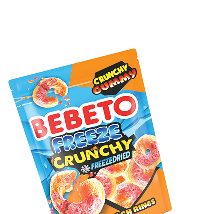
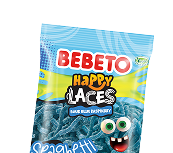
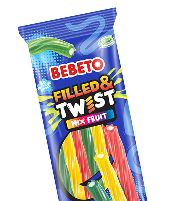
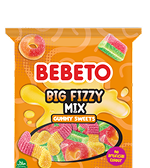
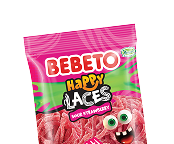
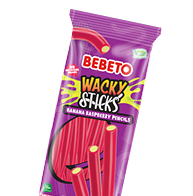
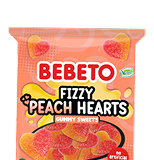
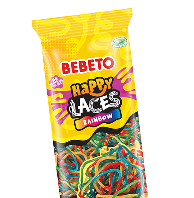
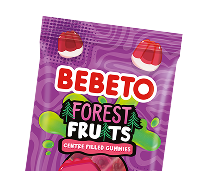
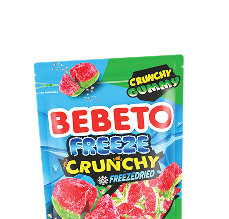
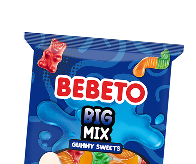
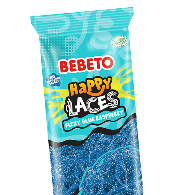
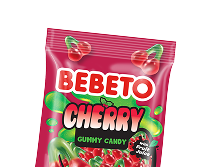
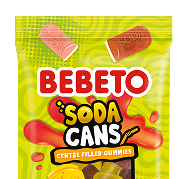
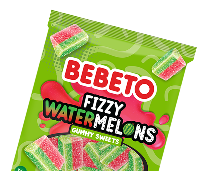
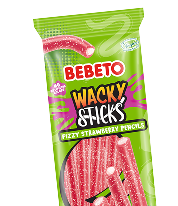
Bebeto’s full range is halal, with a dedicated vegan range for shoppers who want plant-based sweets. That makes it easier to plan a colourful mix while keeping the dietary question clear from the start.
Choosing gummies for parties, gifting and sharing
The best sweet choice depends on the occasion. For a family film night, texture variety can be the star - a blend of soft, fizzy, foam and chewy sweets gives everyone a favourite to reach for. For children’s party bags, clearly labelled vegan lines help make individual treats simpler to organise.
For wedding favours, birthday tables or event pick-and-mix stations, appearance matters too. Bright colours, playful shapes and a mix of sugar-coated and smooth sweets make the display feel generous. Vegan gummies can sit beautifully in the mix, but keep the label visible so guests know what they are choosing.
Retailers have a slightly different decision to make. A strong gummy selection should offer familiar gelatine favourites alongside clearly merchandised vegan choices. Customers increasingly shop by dietary need as well as flavour, so visible pack labels make the fixture easier to browse and help reduce questions at the till. Vegan lines are not a replacement for traditional gummies - they are an essential choice within a rounded confectionery range.
Do vegan gummies taste different?
Not necessarily. Flavour comes from the full recipe, including fruit notes, acidity, sweetness and aroma - not only from the gelling agent. A sharp strawberry, juicy peach or sour apple sweet can taste bold whether it is vegan or gelatine-based.
What you may notice is the chew. Some people prefer the spring of gelatine, while others enjoy the softer bite of pectin or starch-based gummies. If you are serving a group, do not treat that as a problem. Treat it as variety. The best sharing bags have a little contrast: tangy and sweet, fizzy and smooth, soft and satisfyingly chewy.
A quick way to choose the right pack
Start with the people, not the sweet shape. If anyone needs vegan products, choose a clearly labelled vegan range or make sure there is a separate vegan option they can enjoy confidently. If no dietary restriction applies and your crowd loves traditional chewy sweets, gelatine gummies can bring that classic gummy bounce.
Then think about quantity. A small pouch may be perfect for a personal treat, but parties, family sharing and office bowls call for bigger packs or a build-your-own mix. Finally, make the flavours work hard. Fruity, fizzy and foam varieties give guests more to choose from without turning the sweet table into a guessing game.
The nicest gummy selection is not the one that follows a single rule. It is the one where every guest can spot a sweet that makes them smile, grab a handful and come back for one more.