Which Sweets Contain Gelatine? A Handy Guide

That bag of bright gummies might look like pure fruity fun, but the ingredient list can tell a different story. If you are wondering which sweets contain gelatine, the short answer is usually chewy, bouncy and jelly-textured ones - but there are plenty of exceptions. Recipes vary by product, flavour and manufacturer, so the label is always the final word.
Whether you are planning a children’s party, filling an office sweet station or choosing a movie-night bundle, knowing what gives a sweet its texture makes shopping much simpler. Here is what to look for before the sharing starts.
What is gelatine in sweets?
Gelatine is an ingredient used to create a firm, springy or soft-chewy texture. It is made from animal collagen and is commonly found in traditional gummy and jelly confectionery. When mixed into a sweet recipe, it helps create that familiar wobble, stretch and bite that many people expect from gummy bears, jelly beans and chewy fruit shapes.
For some shoppers, gelatine is a dietary consideration because it is animal-derived. It is not suitable for vegans, and it may not suit vegetarians depending on their personal choices. It can also matter to shoppers looking for halal products, although gelatine itself is not automatically non-halal. Its suitability depends on its source and certification.
That is why a clear pack label matters more than guessing from the shape of the sweet. Two similar-looking fizzy bottles can use completely different setting agents.
Which sweets contain gelatine most often?
Gelatine is especially common in sweets designed to be chewy, squishy or elastic. These are the categories where it is worth checking ingredients first:
- gummy bears, gummy worms, fruit-shaped gummies and jelly animals
- jelly beans and chewy jelly sweets
- foam-backed gummies, including some fried eggs and milk bottles
- marshmallows and many marshmallow-filled treats
- chewy sweets with a jelly or foam centre
- some liquorice sweets, especially softer filled pieces
- certain gummy vitamins and novelty confectionery
Texture is a useful clue, not a guarantee. The more stretchy and bouncy a sweet feels, the more likely it is to contain gelatine, but only the ingredients panel can confirm it.
Gummy and jelly sweets
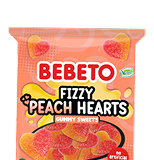
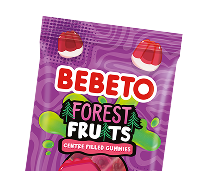
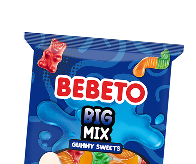
Classic gummies are the most obvious place to start. Bears, rings, cherries, fish, hearts and fruity shapes often use gelatine to create their signature chew. Centre-filled and liquid-filled gummies can contain it too, as the outer shell needs to hold its shape around the filling.
However, gummy sweets are also one of the fastest-growing areas for vegan alternatives. Pectin, modified starch and other plant-based gelling agents can deliver a satisfying chew without animal-derived gelatine. The result may be slightly softer, firmer or less elastic than a traditional gummy, but that depends on the recipe rather than whether it is better or worse.
Foam sweets and marshmallows
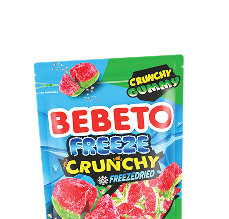
Foam sweets can be harder to judge. Their light, airy bite may come from gelatine, but some recipes are made with starches or other setting ingredients instead. Marshmallows frequently contain gelatine because it stabilises their fluffy structure, though vegan marshmallows are available and use alternatives.
If you are choosing sweets for a mixed group, foam and marshmallow products are worth checking carefully. They are popular at parties, but they are not a category where appearance gives you a reliable answer.
Liquorice, pencils and filled sweets
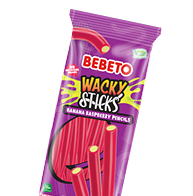
Not all liquorice contains gelatine. Many liquorice twists, wheels, sticks and soft laces get their chew from wheat flour, starch, syrup and liquorice extract. Yet some filled pencils, liquorice-and-foam combinations and novelty pieces may include gelatine in the filling or foam layer.
The same goes for centre-filled sweets. The outer layer, the foam middle and the fruity filling can all have separate ingredient considerations. Read the full list rather than stopping after the first few ingredients.
Sweets that are less likely to contain gelatine
Hard-boiled sweets, lollies, candy canes, boiled fruit drops and many traditional toffees generally do not need gelatine to achieve their texture. They are made by heating sugar mixtures to specific temperatures, so their crunch or chew comes from cooking rather than a gelling agent.
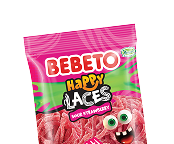
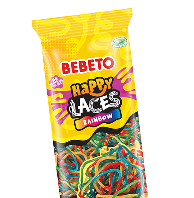
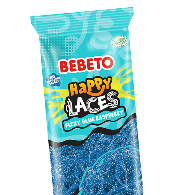
Sour belts, fizzy strips, laces and fruit-flavoured chews are also often gelatine-free, particularly when they use starch-based recipes. Chocolate bars, fudge, tablet and many caramels may be free from gelatine too, although fillings, mousses and marshmallow layers can change that.
Plant-based jelly sweets commonly use pectin, which comes from fruit, or starches. Pectin is especially familiar in fruit preserves, so it is brilliant at creating a clean jelly texture. Agar-agar, derived from seaweed, can also be used in confectionery, though it tends to give a firmer bite.
Still, “less likely” is not the same as “definitely free from”. Recipes change, seasonal editions can differ from standard packs, and manufacturers may reformulate. Always check the current pack in your hand.
How to spot gelatine on a label
The simplest place to check is the ingredients list. Look for the word “gelatine” or “gelatin”. UK packs usually use the British spelling, but imported products may use the alternative spelling. If it is in the recipe, it should be declared in the ingredients.
Do not confuse gelatine with gelling agents in general. Ingredients such as pectin, agar, carrageenan and modified starch are not gelatine. They may create a similar texture, but they work differently and are usually suitable for vegan recipes when no other animal-derived ingredients are present.
A vegan label is a quick, useful signal that a product does not contain gelatine. Vegetarian labels can also help, but check the pack if you have specific dietary requirements. For halal shoppers, look for a halal claim or certification rather than relying on the presence or absence of gelatine alone.
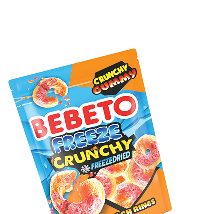
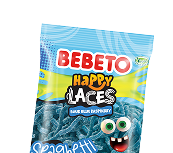
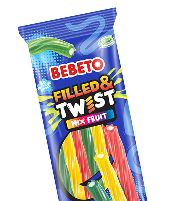
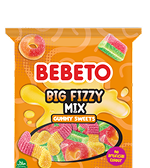
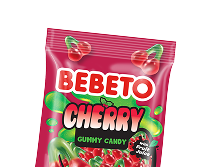
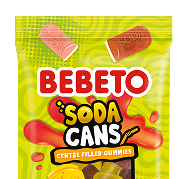
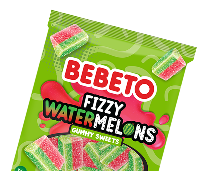
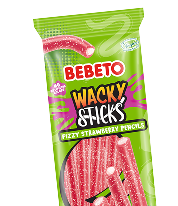
Bebeto’s range is halal, with dedicated vegan options clearly signposted, making it easier to build a colourful sweet mix that works for more people around the table. As with any confectionery choice, check individual pack information if you are managing allergies or strict dietary needs.
Why halal and vegan are not the same thing
It is easy to assume that “gelatine-free”, “vegan” and “halal” all mean the same thing. They do not.
A vegan sweet contains no animal-derived ingredients, so it will not contain gelatine. A halal sweet may contain gelatine if that gelatine comes from an approved halal source and the product meets the relevant halal requirements. A gelatine-free sweet may still not be vegan if it contains another animal-derived ingredient, such as beeswax, milk or shellac.
This is particularly useful when shopping for a party or workplace. One guest may need vegan sweets, another may choose halal products, and someone else may simply prefer a softer gummy texture. A varied selection with clear packaging lets everyone pick with confidence.
Shopping for mixed groups without the guesswork
For a party bowl, avoid tipping different sweets into one unlabelled container before guests have had a chance to check them. Keep packets nearby, or use small cards to identify vegan, halal and gelatine-containing choices. It takes a moment and makes a big difference for families, classrooms and busy event tables.
If you are creating a bundle, mix formats rather than buying only one type of gummy. Pair fruity jellies with fizzy belts, laces, hard sweets and clearly labelled vegan options. You will get more colour, more texture and a better chance that there is something for every guest.
For retailers and event planners, clear category signposting is equally useful. Keeping vegan lines separate from standard gummies can make the shelf easier to shop and reduce questions at the till. It also helps customers discover favourites they might otherwise skip.
The best rule for choosing gelatine-free sweets
There is no shortcut more reliable than the pack. Shapes, colours, flavour names and even familiar brands cannot guarantee whether a sweet contains gelatine. Use texture as your first clue, then turn the packet over and check the ingredients and dietary labels.
That little label check means your party bags, family sharing bowl or Friday film-night pick can stay packed full of fun for everyone - with fewer surprises and more sweets worth passing around.