Vegan Sweets Versus Gelatine Sweets Explained

A bowl of gummies can look simple, but choosing the right one can make a big difference when you are catering for a party, filling a pick-and-mix table or sharing a film-night bundle. Vegan sweets versus gelatine sweets is not simply a question of taste. It is about ingredients, texture, dietary needs and making sure everyone gets to join in on the fun.
Both can be bright, fruity, fizzy and packed with satisfying chew. The key is knowing what creates that chewy finish and checking the product label before you buy. That way, whether you are planning a children’s birthday, workplace treat station or a big family get-together, there is less guesswork and more sweets for everyone.
What makes gelatine sweets different?
Gelatine is an ingredient used to give many traditional gummies their familiar bounce and chew. It is a protein made from animal collagen, usually sourced from pork or beef. In confectionery, gelatine helps sweets set with a soft, springy texture that stretches slightly as you bite.
This is why gelatine is common in gummy bears, jelly shapes, filled gummies and some foam sweets. It creates a texture many sweet fans recognise straight away: firm enough to hold a detailed shape, yet soft enough for a satisfying chew.
The ingredient itself is not a statement about quality or flavour. A gelatine sweet can still be fruity, colourful and full of fun. But it will not be suitable for vegans or vegetarians. It may also be unsuitable for shoppers following specific religious or dietary requirements, depending on its source and certification.
That last point matters. Not all gelatine is the same, and halal suitability depends on the full product specification, not the word “gelatine” alone. Always look for clear halal labelling rather than making assumptions from the ingredients list.
What are vegan sweets made from?
Vegan sweets are made without animal-derived ingredients. Instead of gelatine, they use plant-based setting agents to create chew, shape and structure. Common options include pectin, starch and agar, though the exact recipe varies between products.
Pectin is naturally found in fruit and is often used in fruity jellies. It can create a tender, clean bite rather than the elastic pull of gelatine. Starch can make sweets pleasantly chewy or soft, while agar, which is derived from seaweed, can provide a firmer jelly-like set.
A vegan recipe also needs to avoid other animal-derived ingredients that can appear in confectionery, such as certain glazing agents or colourings. That is why a dedicated vegan label is so useful. It takes the uncertainty out of choosing sweets for a mixed group.
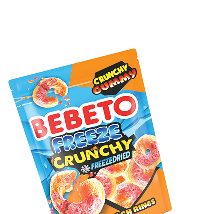
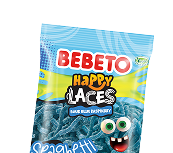
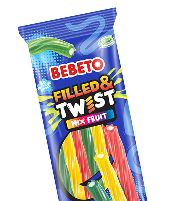
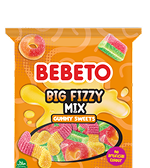
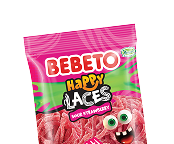
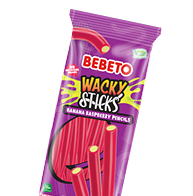
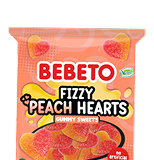
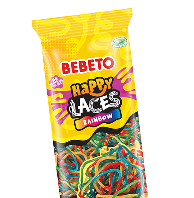
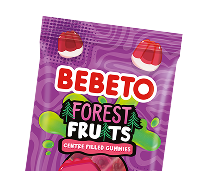
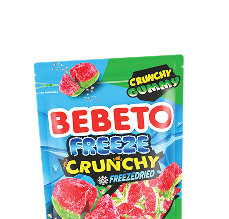
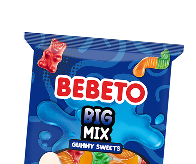
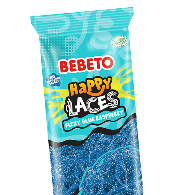
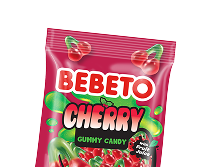
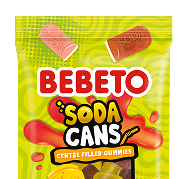
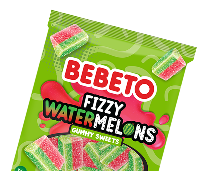
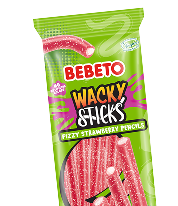
At Bebeto, the vegan range is clearly defined, while the whole range is halal. It means sweet shoppers can browse with confidence, then focus on the really important decisions: fizzy or smooth, gummy or foam, strawberry or watermelon, and how quickly the bag will disappear.
Vegan sweets versus gelatine sweets: the texture test
Texture is usually the biggest noticeable difference between vegan sweets and gelatine sweets. Gelatine tends to deliver a bouncy, elastic chew. Think of a gummy sweet that slowly springs back when you press it between your fingers.
Vegan sweets can be just as enjoyable, but their bite may feel different. A pectin-based jelly may be softer and more tender. A starch-based sweet can be dense and chewy. Some vegan gummies have a firmer first bite, while others melt down more quickly as you chew.
Neither texture is automatically better. It depends on what you enjoy and what the occasion calls for. Someone who loves a traditional gummy chew may prefer gelatine-based sweets. Someone who wants a fruity jelly with a softer bite may happily choose vegan options every time.
The good news for party planners is that variety works brilliantly. A sweet table with fizzy belts, fruit jellies, foam treats and gummies gives guests plenty to choose from without turning the selection into a complicated puzzle.
Flavour is about the recipe, not just the setting agent
It is easy to assume that vegan sweets taste noticeably different, but the setting agent does not decide the flavour on its own. Fruit flavour, sour coating, sugar level, fillings and real fruit juice all have a major part to play.
A well-made vegan sweet can be intensely fruity, zingy and full of colour. A gelatine sweet can be juicy and soft. The better comparison is often between formats: a fizzy watermelon sweet will feel different from a foam banana, whichever setting ingredient is used.
For shoppers looking for a more ingredient-conscious option, it is worth checking the pack for the details that matter to them. Bebeto sweets use real fruit juices rather than artificial flavours, but recipes and dietary claims should always be checked product by product.
Which sweets suit your guests?
When you are buying for yourself, the answer may be as simple as picking your favourite. When you are buying for a crowd, a little planning goes a long way.
Vegan sweets are the obvious choice when vegans are on the guest list. They are also a helpful inclusive option for mixed groups, particularly where you do not know everyone’s dietary preferences. However, vegan does not automatically mean suitable for every diet. A vegan sweet may contain allergens, and it is not necessarily sugar-free, lower in calories or suitable for people with specific medical dietary needs.
Gelatine sweets can be a great choice for shoppers who enjoy their distinctive chew and have no reason to avoid animal-derived ingredients. If halal suitability is a priority, choose products that are clearly labelled halal rather than relying on general assumptions about gelatine.
For schools, office stations, party bags and event favours, a clearly labelled mix makes serving easier. Keep packets available or display ingredient information nearby if sweets are being decanted into jars. It is a small practical step that helps parents, guests and colleagues make confident choices.
Do vegan sweets cost more?
Sometimes, but not always. The price of a sweet depends on much more than whether it contains gelatine. Ingredients, flavour complexity, packaging, pack size, fillings and production methods all affect the final price.
The smartest way to buy is to think about the occasion first. A large sharing bundle makes sense for a family film night. Party assortments are handy when you need a colourful spread without choosing every sweet individually. For shops, event businesses and resale customers, case formats and larger bags can make stock planning simpler.
Do not buy vegan sweets purely because you expect them to be a healthier alternative, either. They are still sweets, made for enjoyment. The difference is mainly about ingredient choice and dietary suitability. A balanced approach is choosing the formats your group will love, serving sensible portions where needed, and keeping a few favourites back for later.
How to shop without getting caught out
The front of the pack is a great starting point, but the ingredients list is where you confirm the details. Look for a clear vegan claim if you need sweets made without animal ingredients. Look for halal certification or labelling if that is required. Check allergens every time, especially if recipes can change or you are buying several different lines for one occasion.
It also helps to consider cross-contact warnings. A product can be vegan by recipe but made in a setting where allergens are handled. For anyone with a serious allergy, follow the packaging guidance carefully and choose only what is appropriate for their needs.
If you are building a sweet selection for a group, make the labels visible and separate varieties into clearly named bowls. A “vegan favourites” jar beside a mixed gummy jar keeps things colourful, simple and welcoming. No one should have to miss out on the best part of the buffet because they cannot tell what is in it.
The best choice is the one that lets everyone reach for a handful with confidence. Pick the chewy classics you love, add clearly labelled vegan favourites for the wider crowd, and leave plenty of room on the table for one more colourful bag.